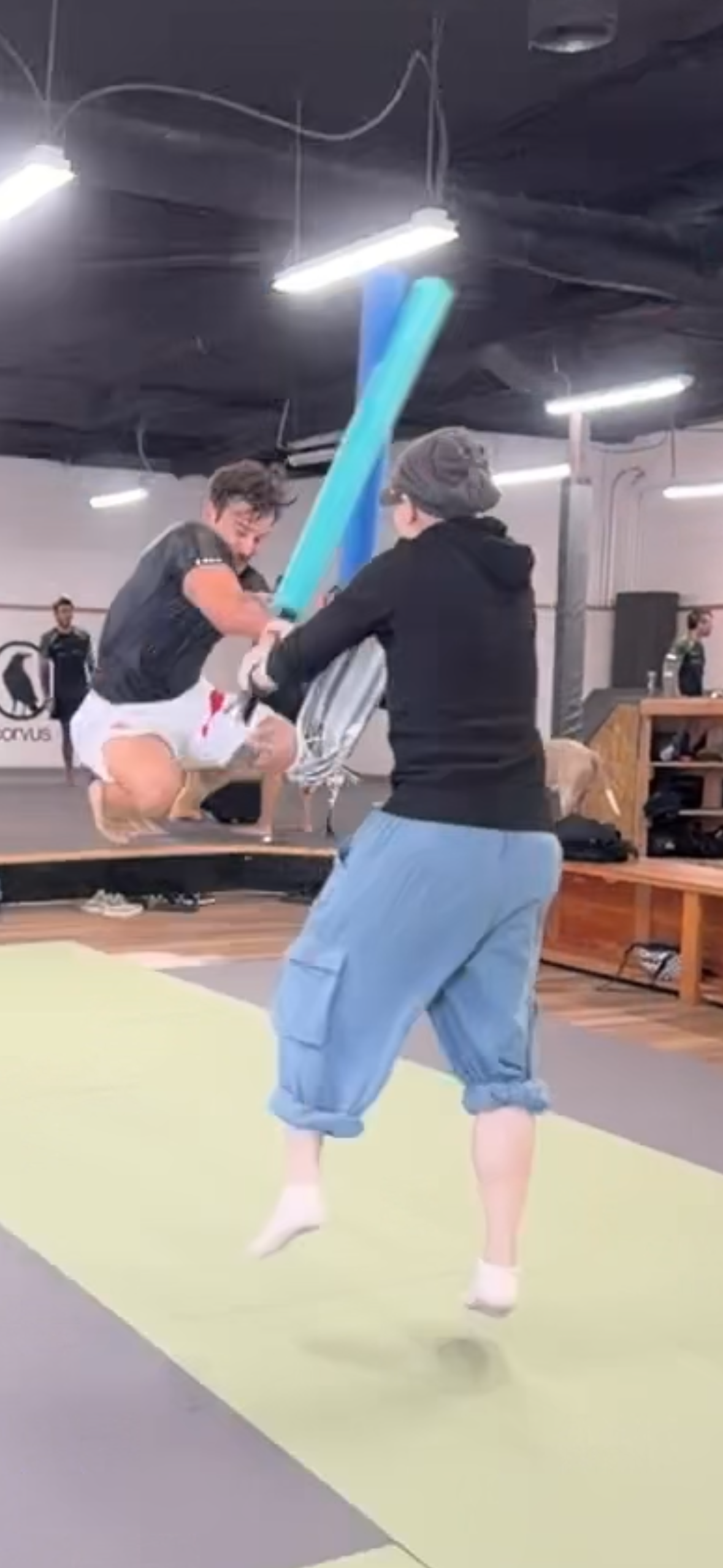
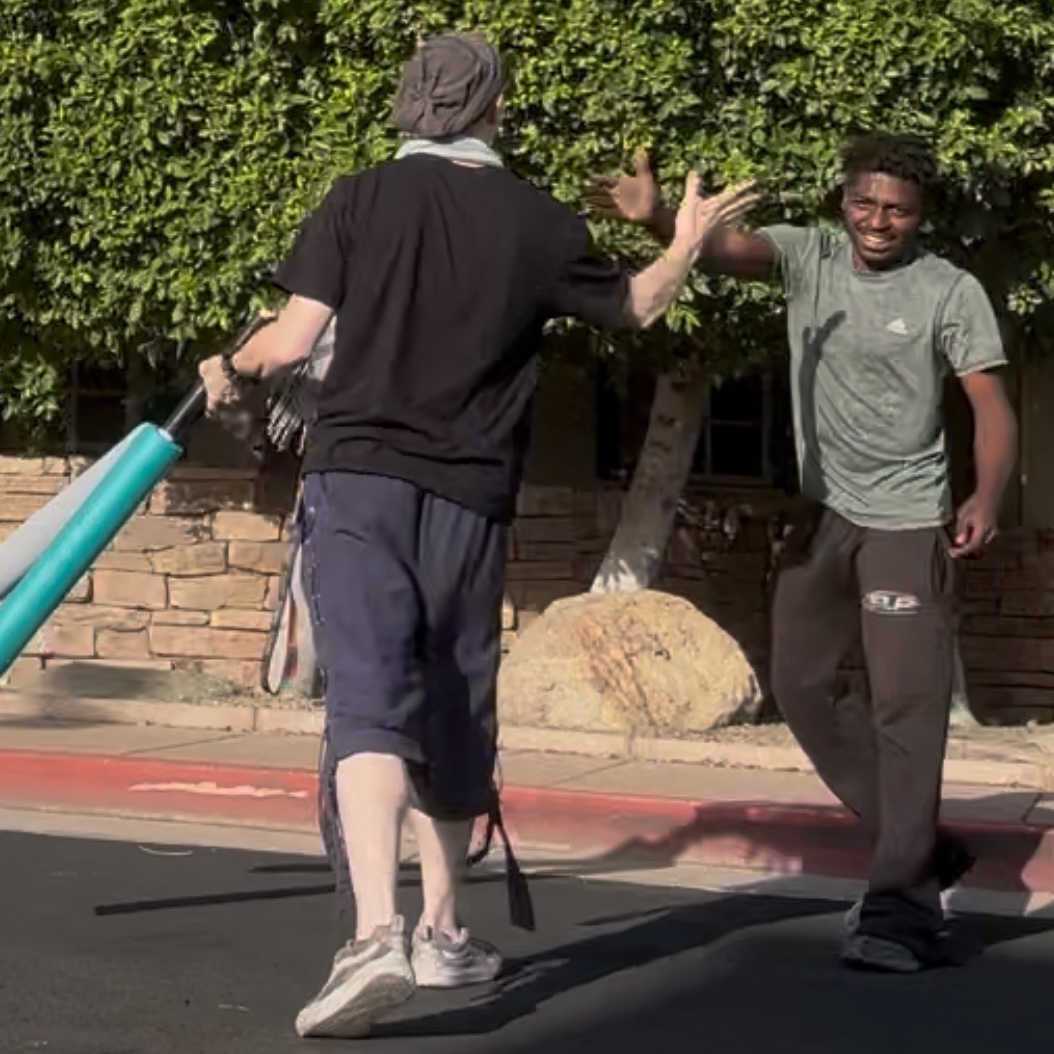
At the beginning of May I ambushed a client and friend with foam swords to help bring him out of a funk. I saw something come alive in him in a way no other treatment had.
I tried again with someone else. Same thing.
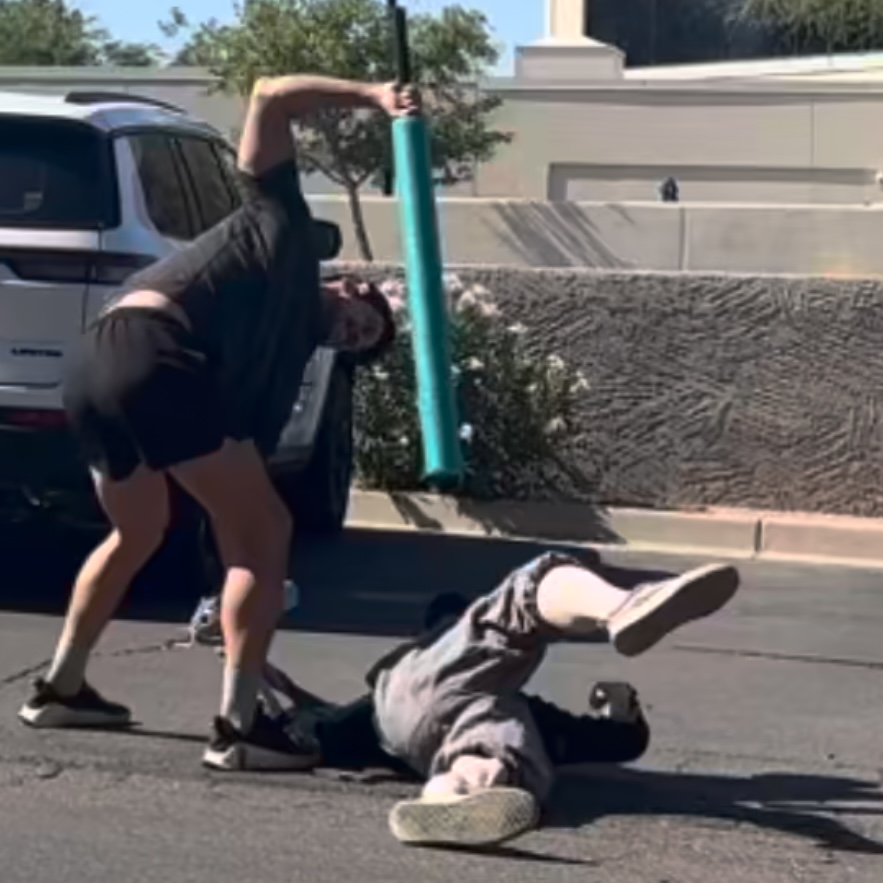
I started issuing challenges to strangers in parking lots. MMA fighters, homeless people, couples on dates, even a border patrol agent. Over two dozen challenges issued. Only one declined. Every person had a different but similar experience.
And that experience is no small thing. Especially when you know what I know about trauma, the nervous system, and how people heal.
27 Years of Nervous System Research · Revealed Something New in the Seemingly Simplest of Acts
Full-contact foam sword play. No rules. No refs. Your nervous system already knows how to do this. Grab a sword and wake it up.
Interested in bringing some of this play into your world? Tell me about your idea, your people, or a place to cross swords.

Maximum Intensity. Minimal Consequence.
Watch what happens. Then decide if you want in.
Any Age · Any Skill Level · No Training Required
Three strangers. One Monday. Three completely different people carrying three completely different loads. One foam sword. Watch what their nervous systems do.
More footage and the broader story at hardcorecombat.com
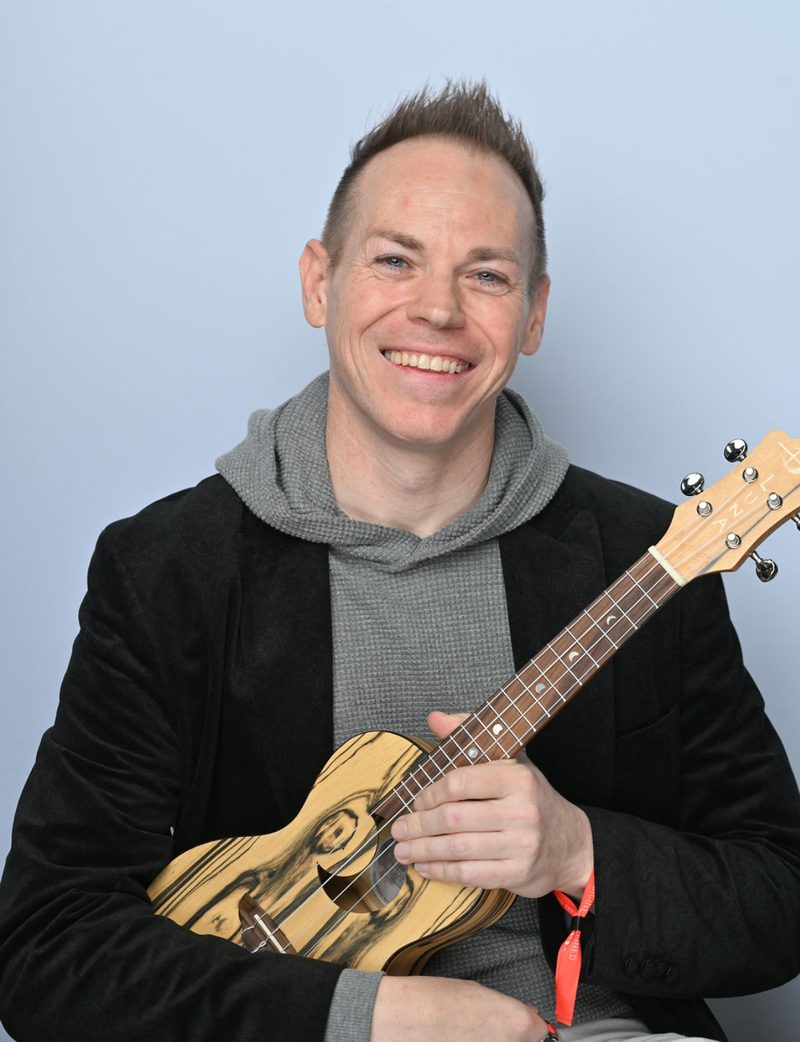
For those who found this page but haven't met me or my ukulele or the blade of my sword yet: I am Ryan Today. My expertise sits at the intersection where physics, physiology, psychology, and sociology meet. I didn't choose this profession. I fell into it through my own long healing journey.
I've been building foam swords since I was a teenager. Total geek. Dungeons and Dragons. Live action role playing. Decades later, without the fantasy component, I made some for my kids. We'd pile blankets and pillows on the living room floor and go at it as a family. I've loved this my whole life.
What changed, and made this story possible, is everything that happened in between the teenager and the father.
Suffering from multiple mental and physical health issues, I spent years living on the streets with my skateboard as my only weapon, literally using it to fight and defend myself. I called it Skate-Kun-Do, and made it fun. Just my demonstrations alone were enough to prevent many fights and muggings. Getting out of that life is what led me into studying the nervous system. I needed to understand how I survived, and what surviving had done to my body. That curiosity became twenty-seven years of work in trauma, neuroplasticity, breathwork, healing technologies, vestibular rehab, and the physics of recovery. I've worked with violent rehab clients. I've sat with people whose nervous systems were shattered in ways most practitioners would back away from, and with good reason.
Alongside all of this, I've been writing a book called Disconnection Syndrome. You can probably guess a lot from the title. We're all so disconnected. From our own bodies. From each other. Living in our own rooms, cars, cubicles, and screens. The effect of that disconnection is profound. But so is the effect of connection. That's what I research. That's what I've given my career to understanding.
When I picked up a foam sword again last month and started handing them to strangers, people came alive. The heaviness lifted. Something that didn't need to be so serious wasn't. Two strangers who had never met were laughing together in under a minute.
That's what I saw first. The psychological connection. The human thing.
Then I started watching the videos back. And the seriousness revealed itself. I could see a man in a parking lot completing a threat-response cycle his body had been holding. A fit MMA fighter gassing out in sixty seconds while I kept pace at twice his age. A woman on a massage chair who couldn't settle, then picking up a sword and landing in her body in under a minute.
Pattern after pattern. Video after video. The density of what was actually happening kept growing. I could see it because I'd spent my whole career learning the language for it. And I'd spent my youth living inside the thing most people only read about.
John arrived carrying rage. The sword gave it a target that couldn't hurt him. Izzy and Victoria arrived carrying connection. The sword gave it a new depth. Lady Taylor was holding something the massage chair couldn't touch. The sword reached it in a minute.
And when I finally mapped it all out, the research confirmed what the videos showed: a sixty-second foam sword bout activates 42 distinct physiological, neurological, and psychological systems simultaneously. No other known activity matches that density. Not running. Not martial arts. Not yoga. Not therapy. Nothing.
The antidote to disconnection is connection. And it turns out a foam sword is the fastest path back to it I've ever seen.
People who have built careers in neuroscience, recovery technology, and breathwork have already put their names behind this work. Not because I pitched them. Because they picked up a sword. You can read more in the field notes.
There are no external rules. No referees. No rankings. Players always set their own terms. Two nervous systems reading each other in real time, deciding together how far to go. That continuous calibration is what forces the nervous system to stay online, stay present, stay adaptive. That's what makes this play, not exercise.
Hardcore Combat grows wherever people make room for play. If you have a gathering, a space, or an idea in mind, write to Ryan.
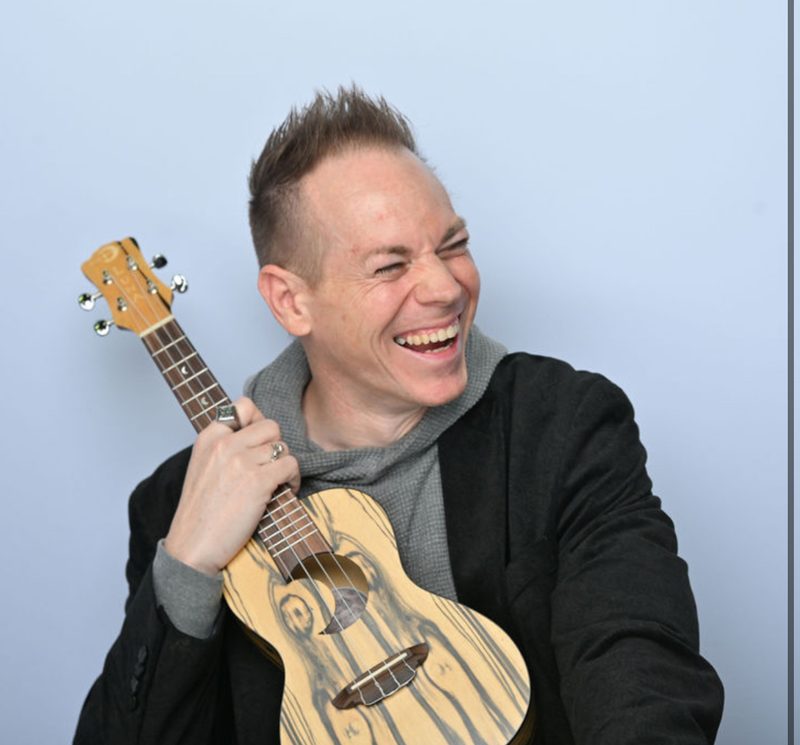
Twenty-seven years I brought playfulness to serious research. It took a foam sword to show me the playfulness was the research all along. — Ryan Today, Battle Bard & Jester at Arms